






1. Welcome to Wrigley’s
    Principles in Action Showcase

    Our success as a global gum and confections business is the result of our incredible team who put our principles into action every day. Through our principles-based approach, we maintain a constant focus on commitments to Quality, Responsibility, Mutuality, Efficiency and Freedom so that we can make a difference to people and the planet through our performance.

    As our business has grown, so has our opportunity to create positive change. Our associates’ great work around the world has led the business to new heights and that success has allowed us to share these benefits with our consumers, through our oral health initiatives, with our communities, through our enthusiastic volunteer efforts and with our business partners by building mutually beneficial partnerships.

    All the while keeping an unwavering eye on how we can minimize our impact on the planet – from product and packaging innovations to our efforts to reduce waste and increase efficiencies. All of these important efforts continue to be possible because of Wrigley’s incredible business performance – providing quality products that brighten everyone’s day.

    This showcase gives you an opportunity to learn how our global team puts our principles into action around the world and in many different ways.

    And on behalf of our team, I am pleased to share this with you.

    Sincerely,
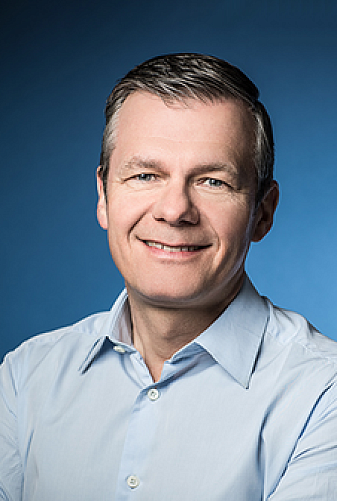
    Martin Radvan
    Wrigley President

  2. People

    People

    It’s not just our fun and popular products that make people smile. We can and must make a positive difference in the lives of people across the full spectrum of our value chain – from the farmers who grow our mint and the dental associations who endorse our products to the communities surrounding our factories and the Associates that work within them.

  3. Our People:

    Our success depends on our 17,000 Associates who live and work in more than 40 countries around the world. Regardless of where we are based – a home office, an open-floor-plan workspace, or in a factory – we are united by our commitment to make decisions based on their impact to people, the planet and our performance. We believe this gives our Associates a rewarding career and something more than “just a job.”

  4. Our People:

    We measure this belief by participating in the external Gallup Q12 survey. The survey’s 12 core questions assess whether Associates feel equipped with the right level of knowledge, materials and opportunities; whether they feel listened to, encouraged, supported and rewarded; and whether they have opportunities to learn and grow.

    In 2011, we reached the 80th percentile of companies in the global Gallup database – placing Wrigley Associates among the most engaged in the workforce. This accomplishment is testament to the cultural integration following our acquisition by Mars, Incorporated, which took place in 2008.

  5. Our People:

    Today, Wrigley Associates enjoy a world of opportunities that comes from being part of a 70,000 Associate-strong organization, including access to global training programs through Mars University, enhanced job opportunities and the benefit of working for “one of the 25 best multinational companies to work for,” as ranked by the World’s Best Multinational Places to Work list from the Great Place to Work Institute.

  6. The Wm. Wrigley Jr. Company Foundation:

    Since its founding in 1987, the Wrigley Company Foundation has donated more than US$50 million to charitable organizations around the world. The Foundation’s mission is to improve the health of people and our planet through initiatives focused on oral health, environmental stewardship, and local needs. In 2011, the Foundation donated a total US$4.6 million including annual contributions as part of multiyear grants in support of the Foundation for Environmental Education (FEE) and Save the Children.

  7. 273,000 Students Impacted

    The Wm. Wrigley Jr. Company Foundation:

    A US$3 million grant to Save the Children is providing a new school health program that will transform the lives of thousands of students. The grant:

    • Helps provide oral health, nutrition and hygiene care.
    • Impacts 273,000 students in 480 schools.
    • Is being implemented in China, Kenya, Phillippines, Vietnam, Indonesia and Tajikistan.

    View press release +

  8. The Wm. Wrigley Jr. Company Foundation:

    In 2011, the Wrigley Company Foundation, in partnership with Give2Asia, donated US$45,000 to the Australian Dental Association to support two initiatives – a community service grant program and a study grant for dental students from rural and remote regions. Wrigley Foundation ADA Community Service Grant recipients recruited approximately 75 volunteer dentists and oral hygienists to provide more than 4,240 treatments free of charge to over 1,400 patients from some of Australia’s most disadvantaged communities.

  9. More than 6,500 underprivileged children in China have benefited from the Wrigley Company Foundation

    The Wm. Wrigley Jr. Company Foundation:

    Over the past three years the Foundation has worked in partnership with the China Youth Development Foundation, in partnership with Give2Asia, to build 12 ‘Hope Schools’ which have benefitted more than 6,500 underprivileged children across eight provinces in China.

  10. US$225,000 provided to support emergency relief and targeted long-term recovery efforts

    The Wm. Wrigley Jr. Company Foundation:

    Through its partnership with the American Red Cross, the Wrigley Company Foundation provided over US$225,000 to support emergency relief and targeted long-term recovery efforts during several global disasters in 2011, including the aftermath of natural disasters in New Zealand, Japan, Thailand, and the southeastern United States.

  11. Mars
    Volunteer Program

    Volunteering:

    In 2011, 4,687 Wrigley Associates contributed more than 11,500 volunteer hours as part of Mars Volunteer Program activities. For example, Associates in Russia shared oral care information along with toothbrushes and toothpaste with local students, and a team in Baddi, India provided dental clinics for those in need.

  12. Volunteering:

    During the 2011 U.S. National Sales Meeting, 500 Wrigley Associates supported several local organizations including the local food bank where they packed back packs, complete with toothbrushes, for local students and a community garden where they worked to provide fresh food and vegetables to residents in need.

  13. Volunteering:

    During the weeks leading up to World Food Day on October 16, 2011, Associates throughout Spain collected staple foods such as oil, milk, rice, pasta, and legumes for local food banks. They donated a total of 1,500 kilos of food and Wrigley matched the weight with dental kit donations.

  14. Volunteering:

    In partnership with local dentists, Associates in Guangzhou, China worked with local schools to provide 375 teachers and students with oral health information and on-site dental health check-ups. A team from our factory in Antipolo, Philippines conducted additional oral health outreach as part of the Wrigley Company Foundation’s 2-year, USD$3 million partnership with Save the Children.

  15. The Mars Ambassador Program

    Volunteering:

    The Mars Ambassador Program gives Associates worldwide the opportunity to use their passion and professional skills on global assignments to assist organizations that partner with Wrigley and the Wrigley Company Foundation.

    Jill Liu from Taiwan used her consumer marketing intelligence background to improve health outcomes for local students and families in Vietnam. In support of Save the Children’s health programming, Jill travelled to four schools in two cities, talking with principals, teachers, students, health officers and parents to better understand their health education needs. She conducted research, surveys and interviews and used the insight to develop communication materials to promote improved nutrition, hygiene, and oral health. The communications included a plan for parents’ associations to improve parental engagement in their children’s health and nutrition.

  16. Health &
    Nutrition

    As part of a global food company, we are committed to addressing health and wellness issues and promoting healthy lifestyles. We’re bringing this commitment to life through our product offerings ― many of which are low-calorie and have functional benefits ― and by the way we market our brands and engage with consumers.

  17. Health & Nutrition:

    It’s important to us that we offer a variety of products – many of which have established functional benefits in addition to some that are best as an occasional indulgence.

    To help consumers make informed choices for themselves, we provide clear nutritional labeling and follow the Mars Marketing Code that sets strict guidelines for the way we advertise across all markets. In keeping with this commitment, we do not buy advertising time or space if more than a quarter of the audience is likely to be under 12 years of age; nor will we advertise on websites aimed at those under 12.

  18. Health & Nutrition:

    On our confectionery brands, such as Skittles® and Starburst®, we include easy-to-read Guideline Daily Amount (GDA) labeling. In fact, Mars was the first company to commit to using GDA labels on its confectionery products worldwide.

  19. Health & Nutrition:

    Through the Wrigley Science Institute, founded in 2005, we partner with leading universities to conduct studies in the areas of oral and systemic health and other emerging benefit areas including stress reduction, cognition and weight management.

  20. Commitment to Oral Care:

    Oral health is an essential part of general health and wellbeing. However, tooth decay (caries) and gum diseases can affect nearly every human being during his or her lifetime. In fact, according to the FDI World Dental Federation, tooth decay is one of the most common non-communicable diseases on the planet. While largely preventable, many instances of tooth decay remain unaddressed due to unavailable or insufficient oral care services.

    We recognize this is a severe and complex issue, and for decades we’ve been collaborating with experts in the field of oral health to better understand and advance the science around the benefits of chewing sugar-free gum.

    In fact, as early as the 1930s, we began our research through a partnership with Northwestern University in our hometown of Chicago, Illinois.

  21. Commitment to Oral Care:

    Research has shown that chewing sugar-free gum can help protect teeth in a number of ways. Immediately after eating, plaque acids produced by oral bacteria can attack teeth and initiate the demineralization of the tooth surface weakening teeth and leading to decay over time. Chewing sugar-free gum increases saliva production, which can help neutralize plaque acids, wash away food particles and remineralize tooth enamel to help strengthen teeth. In fact, chewing sugar-free gum for 20 minutes after meals and snacks has been proven to help protect your teeth.

  22. Commitment to Oral Care:

    Today, the oral care benefits of chewing sugar-free gum are widely accepted and endorsed by dental professionals, in addition to being included in the health policy platforms of several national governments. The FDI World Dental Federation and more than 27 national dental associations recognize the scientific evidence and allow the use of their logos and related messaging on our packs of sugar-free gum. Additionally, the European Food Safety Authority (EFSA) approved seven oral health claims for sugar-free chewing gum products.

  23. Commitment to Oral Care:

    To bring this message to life, we’re reaching consumers around the world through our Oral Care brands – EXTRA®, FREEDENT® and ORBIT® – and a united call to action: Eat Drink Chew. First launched in Australia in 2006 and now active in nearly 50 countries, our Eat Drink Chew platform, and accompanying “Food Gang” campaign, shows consumers that when brushing isn’t possible, chewing sugar-free gum is a great way to help keep teeth and gums clean and healthy after eating or drinking.

  24. Commitment to Oral Care:

    Our advocacy work has played a significant role in achieving greater political awareness of oral health as well – a subject that is often neglected in both national and international public health spheres.

    In 2011, we launched the European Platform for Better Oral Health, a joint initiative of the European Association of Dental Public Health (EADPH), the Association for Dental Education in Europe (ADEE), the Council of European Chief Dental Officers (CECDO), promoted and supported by the Wrigley Oral Healthcare Programs and GSK Consumer Healthcare. In September, the Platform published the “State of Oral Health in the European Union” to examine the current data gaps in oral health, share best practices in the EU and highlight challenges.

  25. Logo - Wrigley Oral Healthcare program (WOHP)

    Our Wrigley Oral Healthcare Program (WOHP), which launched in Germany in 1989 and now operates in 47 countries, aims to promote oral health among local communities. One way we do this is by partnering with more than 27 national dental associations and numerous health departments.

  26. 7,700 Families in China were provided with education and oral care kits.

    Wrigley Oral Healthcare Program:

    In 2011, we partnered with the Chinese Ministry of Health to launch a three-year community oral care education pilot program, which establishes community dental clinics, trains local dentists and establishes oral care records for 7,000 families across 14 communities. The results of the program will inform the Ministry of Health’s future oral care policy.

  27. Wrigley Oral Healthcare Program:

    The WOHP also works to help oral care professionals and patients worldwide better understand the role sugar-free gum can play in a regular oral care routine. We equip dentists and hygienists around the world with educational materials and check-up reminder cards to support their practices.

    We also share the latest research with dental practitioners, students and faculty through programs like StuDent – a non-Wrigley branded saliva education module for dental school students in Germany – and the “Saliva and Oral Health” lecture series for practicing dentists and hygienists in Australia.

  28. 10 Workplace standards

    Partnering with Suppliers:

    Our suppliers are expected to comply with – and are encouraged to exceed – the requirements set forth in our Supplier Code of Conduct, which is a set of 10 workplace standards that meet or exceed the United Nation’s International Labour Organization’s guidelines and help us all adhere to high behavioral standards.

    The Code of Conduct applies to companies that directly supply us with raw materials, packaging materials, co-manufacturing or services. To measure compliance and encourage success, we’re partnering with suppliers on training programs, measuring progress through auditing and recognizing continuous improvement.

  29. Partnering with Suppliers:

    Our monitoring program assesses compliance with the Supplier Code of Conduct and is based on the inherent risks associated with operating in different geographies and purchasing the commodities and services central to our business.

    There are three key components to the program, including: a risk assessment based on risk data provided by global risk advisory Maplecroft; a self-assessment through the Supplier Ethical Data Exchange (Sedex), and independent auditing by a third-party.

    At the end of 2011, we assessed all of our raw material and packaging suppliers using this system.

  30. Named Corporation of the Year by the National Association of Women Business Owners

    Supplier Diversity:

    Our culture is influenced by an international consumer base and a global, diverse work force. Naturally, we seek partnerships with those of diverse backgrounds and experiences. Wrigley’s Supplier Diversity program focuses on strengthening and partnering with diverse suppliers and business communities in a matter that is mutually beneficial for both parties.

    We support regional organizations such as the Women’s Business Development Center and the Chicago Chapter of the National Association of Women Business Owners, which named Wrigley “Corporation of the Year” in May 2011.

    In 2011, Wrigley’s spending with diverse suppliers was 5.3 percent, compared with 6.5 percent in 2010 and a 5 percent target.

  31. Planet

    Planet

    From the way we source our ingredients, to how
    we fuel our factories and package our products,
    we are mindful of our impact on the world around us.

  32. Operations,
    Manufacturing
    & Logistics

    Our Approach:

    Together with our segment partners across Mars, Incorporated, we are developing an approach that aims to eliminate our fossil fuel energy use and greenhouse gas emissions, to minimize our impact on water quality and availability, and to mitigate the impacts of waste creation. We call this our Sustainable in a Generation (SiG) program.

    As part of this program, we’ve committed to zero fossil fuel energy use and greenhouse gas emissions by 2040, and we’re working on similar long-term commitments for water and waste.

  33. Chart: Energy, Greenhouse Gas Emissions, and Waste to Landfill 2011 Results, and 2015 Targets

    Our Progress:

    With our eye on the future, we have set short-term targets to keep us on track. We’re focused on absolute progress – so that as we grow our business, we’re doing so sustainably.

    In 2011, we did just that – making more product with less energy, water and fewer greenhouse gas emissions. This is a positive step in the right direction, but we have work to do to ensure we reach our 2015 aims. We are on track to achieve our 2015 goal of sending zero waste to landfill and since 2007, have reduced the amount of waste to landfill by 72 percent.

    These figures measure the energy, water and waste impact across all Wrigley manufacturing facilities. In 2010, we absorbed three factories from Mars, Incorporated – Scoresby, Australia; Monterrey, Mexico; and Porici, Czech Republic. Given this, our reduction figures from 2007, 2008 and 2009 have been adjusted to include the footprint of these factories.

    During this time production volume increased 3.52%. Production volume includes factory confectionery and gum only. These figures do not include gum base, flavors or sweeteners volume or any external manufacturing.

  34. Our Approach:
    Energy & Climate

    Our Focus:

    Our immediate focus is on reducing our use of fossil-fuel-based energy sources and greenhouse gas (GHG) emissions. Improving efficiency presents the most immediate and cost-effective way to reduce our GHG emissions. The less fossil-fuel energy we use, the fewer carbon emissions we produce.

    By focusing on technology optimization, specifically improving the efficiencies of boilers, chillers, HVAC and compressed air, we’ve reduced our energy use consistently since 2009.

  35. Renewable energy is any source that replenishes naturally over a short amount of time, such as solar, methane from landfill and wind. These sources of energy also emit less greenhouse gasses than fossil fuels. We're exploring the use of renewable energy sources to power our factory operations when it makes environmental and economic sense.

    In some geographies, we are able to source renewable energy locally, like at our office in Epping, Australia, which runs entirely on wind power from nearby Lake Bonney Wind Farm.

  36. Renewable Energy:

    At our factories in Europe – Poznan in Poland, Porici in the Czech Republic and Biesheim in France – we treat all wastewater anaerobically, which provides renewable energy in the form of bio-gas. We then reuse this bio-gas to heat water and fuel boilers. This approach prevents methane from being released into the atmosphere, while reducing our consumption of fossil-fuel-derived natural gas by approximately three percent annually at these locations.

  37. Solar panels in Guangzhou save 200 tonnes carbon emissions

    Renewable Energy:

    We’re also building our own systems to generate renewable energy. At our Chattanooga factory in the US, for example, we worked with the Tennessee Solar Institute to install 240 roof-top solar panels, which will generate more than 170,000 kilowatts of green energy for the site each year eliminating 117 tonnes of greenhouse gas emissions. This is the equivalent of taking 23 passenger vehicles of the roads.

    In Guangzhou, we’ve applied a similar approach and use solar energy to warm water for associate showers, hand-washing stations and equipment cleaning procedures. The clean energy reduces greenhouse gas emissions by nearly 200 tonnes – the equivalent of taking 34 passenger vehicles off the road.

  38. Optimizing our Sites:

    In our hometown of Chicago, the United States Green Building Council has recognized two Wrigley facilities with LEED certifications. Wrigley’s Global Innovation Center (GIC) and Engineering Technology Center (ETC) were awarded USGBC LEED GOLD badgeGold and Silver, respectively, placing the buildings among the most efficient in their class.

    LEED Gold certification is now a requirement for all new Wrigley buildings.

  39. decrease water usage by 25%

    Our Approach:
    Water

    We can be more efficient with our use of water, so between now and 2015, our goal is to reduce total usage by 25 percent. To get there, we are focused on reducing our use of water for production processes as well as limiting general use from municipal and ground water sources ― particularly in geographies where water scarcity is an issue.

  40. Reduced municipal water consumption by 35%

    Water:

    At our Plymouth factory in England, we’re capturing rainwater to supply a third of the water needed for our cooling towers. This practice not only saves water, but reduces energy use associated with air-conditioning.

    In Asquith, Australia, we’ve implemented a similar process and reuse captured rainwater for all onsite hard surface washing, for use in restroom amenities and all cooling towers. The result is a 35 percent reduction in water consumption, which saves 4.5 million liters annually.

  41. Water:

    We’ve also taken a number of steps to improve overall water efficiency. At our Guangzhou factory in China, for example, we’ve renovated bathroom amenities and adopted more efficient sterilization techniques.

    As a result of these and other water saving initiatives at the site, we’ve reduced onsite water consumption by 6 percent annually, since 2006.

  42. Our
    Approach:
    Waste

    We are committed to mitigating the impacts of waste creation and are working on a long-term commitment. Our current approach is based on a simple waste hierarchy. Disposal in landfill is a last resort, and we have committed to sending zero waste to landfill by 2015.

    Waste Pyramid

  43. 4 Wrigley sites send zero waste to landfill

    Waste:

    Today, four of our factories send zero waste to landfill – Asquith, Australia; Bangalore, India, Plymouth, England and Poznan, Poland. Collectively, we’re moving in the right direction – on target to meet our 2015 zero waste to landfill commitment.

  44. Waste:

    The drive to zero waste is a commitment led by our Sustainable in a Generation champions in addition to the grassroots support of our Go Green teams who are helping educate associates on site-specific recycling and waste management practices. Thanks to the joint efforts of these teams, recycling output from our factory in Chattanooga, TN has doubled in the last four years. In Scoresby, Australia, where the team has implemented a one-stop waste management system, the site sends 70 percent less waste to landfill.

  45. Packaging,
    Innovation
    & Sourcing

    Our Approach:

    Packaging is a high-profile component of a consumer’s experience – it identifies our brands, provides consumers with important information and above all else, supports the delivery of a quality product. However, packaging also uses material, and we need to find solutions that allow us to deliver our product while lowering the impact of those materials on the environment.

  46. Understanding Our Impact:

    To help us identify where we can make the biggest impact, we completed a global packaging audit in 2011. The results revealed that because our packaging is relatively small – our greatest impact isn’t volume, but rather the carbon impact of select pack formats and materials.

    With this in mind, we’re taking a more strategic approach to sustainable package design – focusing our efforts on optimizing our core pack types and limiting our use of more carbon-intensive materials like plastic and aluminum.

  47. 850 tonnes of aluminum per year saved

    Aluminum:

    Wherever possible, we’re reducing the amount of aluminum we use to package our products and replacing it with a more sustainable, less carbon-intense alternative that meets our quality standards and consumer needs.

    To date, we’ve replaced foil wrappers with paper for BIG RED®, DOUBLEMINT®, JUICY FRUIT®, WRIGLEY’S SPEARMINT® and WINTERFRESH® in the U.S., which saves 850 tonnes of aluminum per year. We aim to introduce foil free wrappers for same brands in Europe by 2014, and are seeking a foil alternative for sugar-free stick brands, such as EXTRA®, whose ingredients create different packaging needs.

  48. Aluminum:

    We’re also limiting the amount of aluminum material within our packaging. By replacing the aluminum bellyband – a small loop of material which holds the sticks together – with paper for 5® gum in Europe, we’ve saved more than 70 tonnes of aluminum.

    We’re currently reapplying this approach to our EXTRA®, ORBIT® and FREEDENT® envelope packaging as well, which will eliminate an additional 40 tonnes of aluminum from the supply chain.

  49. Paper:

    While paper is less carbon intense than other materials, from a tonnage standpoint, we see an opportunity to limit the amount we bring into the supply chain and, ultimately, the amount that ends up in landfill. So, we’re removing excess paper packaging when it can be done in a manner that doesn’t impact freshness or functionality.

    Building on an approach implemented in the U.S., Wrigley has removed the sleeve from brands in Europe, India and Russia, saving a combined 745 tonnes of paper annually. We will do so in the Philippines, Vietnam, Thailand and Indonesia by June 2012, saving another 250 tonnes of paper per year.

    We’re also renovating existing packaging, like our paper-based Slim Pack®, which we’ve slimmed down by 15 percent.

  50. Reduced plastic by 35 percent.

    Plastic:

    First introduced in China in 2004, the recyclable bottle pack our fastest growing package globally. We are continually exploring ways to reduce its impact, decreasing the amount of plastic used and reducing the overall weight – while providing our consumers with the portability and protection they expect.

    Since 2008, we’ve continually optimized the bottle to reduce its impact and eliminated more than 3,000 tonnes of plastic from our bottle portfolio worldwide.

  51. Save 120 tonnes plastic per year by removing excess packaging

    Plastic:

    We’re slimming down our use of plastic elsewhere as well. In China, for example, we cut the amount of plastic in the SKITTLES® tube package by 20 percent - saving 120 tonnes per year.

    We also updated our “clamshell” package – a one piece, re-closeable plastic container used to package TATA™ bubble gum in China. The packaging innovation team partnered with a local supplier to identify a more efficient production method that reduced plastic use by 20 percent.

  52. Product
    Innovation
    & Sourcing

    Our Approach:

    As Wrigley’s innovation brings about new products and ways of working, we must always keep sustainability top of mind. We’re continuously exploring the impact that our products have on the environment by using product life cycle analyses, which influence our long-term development strategies. We constantly strive to develop new products and formulas that are more sustainable in design.

  53. Understanding Our Impact:

    A few years ago, we completed our first lifecycle analysis of chewing gum. The results confirmed that raw materials represent the largest portion of our environmental footprint, but also offer the greatest scope for improvement.

    In 2011, we took our efforts a step further by completing an in-depth carbon analysis of our top five raw ingredients and partnered with suppliers to understand the carbon impact of ingredients in every category where we purchase. With this information, we’ll be able to develop ingredient-specific strategies for reducing our footprint and initiate new product designs.

  54. Mint Industry Research Council

    Mint:

    One ingredient that we’re already making headway in further understanding and impacting is mint. As a founding member of the Mint Industry Research Council (MIRC), we supported the organization in developing a baseline understanding of the U.S. mint industry by conducting a carbon footprint analysis of mint oil production. The initial report showed that the processing of mint is relatively carbon intensive.

    With these results in mind, we’ve been working to identify ways to decrease the carbon footprint and also help to amplify mint farmers’ successes through continued improvement of soil conservation, water reduction, energy-use measurement and fertilization methods. Since 2007, these efforts have reduced greenhouse gas emissions from the mint we source by 30 percent.

  55. Culture & Community

    Our Approach:

    We’re committed to creating a more sustainably-minded culture and promoting responsible behavior among our consumers. It’s why we sponsor community awareness campaigns and at-work sustainability programs.

  56. Go Green:

    At each location, our associates are developing their own Go Green projects to help lessen the impact of everyday business operations on our planet. Today, there are more than 400 projects underway that drive awareness of sustainable behavior at work, promote green behaviors such as recycling and carpooling, and even programs that increase the efficiency of the factories and offices.

    In fact, in many of the factories, the Go Green teams are partnering with our Sustainable in a Generation champions to take their efforts even further.

    View a video of Go Green in action +

  57. View a video of Go Green in action

  58. Wrigley Company Foundation provided a $3.25 million grant to Foundation for Environmental Education

    Foundation for Environmental Education:

    In April 2011, we announced a three year, $3 million grant to the Foundation for Environmental Education (FEE) through the Wrigley Company Foundation. FEE is a non-profit organization dedicated to bringing environmentally-focused education to youth around the world.

    The funding supports two environmental programs: Eco-Schools “Litter Less” and Young Reporters for the Environment.

  59. Responsible Gum Disposal:

    While the vast majority of consumers dispose of their gum properly, not everyone has the same respect for their communities. We take this issue seriously and recognize that the only long-term sustainable solution to dealing with littered gum – and all forms of litter – is to change behavior. We partner with governments, NGOs and educators to support:

    • In-school education programs that help young people develop a respect for their local environment
    • Community awareness campaigns in support of local government efforts
    • Anti-littering campaigns
  60. Bin It has reached over 42,000 students in the UK & Ireland

    In-School Education:

    Across schools in the U.K. and Ireland, we spread the message of responsible disposal through in-school entertainment. The Bin It! program, created by Wrigley in 2006, includes teacher lessons plans and a six-week in-school actor who brings the issue of responsible behavior to life.

    In 2011, our Bin it! campaign toured 99 schools and reached over 12,740 students in the U.K. and Ireland.

  61. In-School Education:

    Our partnership with Keep Australia Beautiful supports environmental education programs that promote recycling and responsible disposal. In 2011, these programs reached more than 193,000 students in more than 660 schools across Australia.

  62. Youth Education:

    Wrigley Germany introduced Kauen mit Koepfchen (“chew smartly”) – a website designed to raise interest in environmental issues among teenagers.

    We’ve also partnered with the German Youth Association for the Protection of Nature (NAJU ) to provide more than 37,000 teachers and students with educational materials on environmental protection.

  63. Community Awareness Campaigns:

    Wrigley campaigns as part of the Chewing Gum Action Group in the UK. Results from the 2011 campaign showed an average litter reduction of 56 percent across participating local authorities. The 2012 campaign, which launched March 8, focuses on a sense of national pride in the UK during the country’s summer sporting event calendar and encourages the public to do their country proud by responsibly disposing of their gum.

  64. $2 million USD donated to Keep America Beautiful

    Community Awareness Campaigns:

    Wrigley is a founding member of Keep America Beautiful (KAB). Since KAB’s inception in 1953, the company and Wrigley Foundation have jointly contributed more than $2 million to its operating and fundraising efforts. Last year, Wrigley’s ORBIT® brand supported the organization’s efforts as part of its “Live Clean” campaign.

  65. Community Awareness Campaigns:

    We support city-wide campaigns to stimulate involvement and passion for a cleaner community. To prepare for the swell of people who will visit London for summer sporting events, we’re working with the Chewing Gum Action Group to reach residents and tourists with responsible disposal messaging.

    In China, we spread the word about anti-littering in preparation for both the 2008 Olympics, and the 2010 Shanghai Expo, a world fair that attracted 73 million people from 250 countries. For example, to encourage responsible behavior during the Expo, Wrigley sponsored anti-littering advertising at more than 100 bus stops throughout the city.

  66. Performance

    Performance

    We can't make a difference in the world if
    we don't sustain our own business, which
    means growing our business by
    continuously providing our consumers with
    great brands that meet the highest
    standards of quality. Our performance has a
    direct and indirect impact on the economy and
    communities where we do business.

  67. In 2010, eight Wrigley facilities achieved 1 million or more hours without a lost workday accident

    Safety:

    Our associates’ safety is a top priority, and to ensure we’re operating a safe and productive workplace, we’ve built environmental, safety and health considerations throughout our manufacturing operations.

    On the factory floor, our associates are dedicated to upholding this commitment and have had exceptional consistency in lost workday records.

  68. Quality:

    We’re committed to providing consumers with great-tasting confectionery products that meet uncompromising safety standards.

    We apply strict quality management systems across all aspects of production, which meet or exceed the requirements recognized by the Global Food Safety Initiative. We continuously improve these systems to ensure our products are always safe and of the highest quality possible.

    Today, 10 Wrigley factories are ISO14001-certified and five also have OHSAS 18001 certification.

  69. Global Brands:

    Our brands are well-known and loved worldwide. Built on the simple idea of bringing flavor and enjoyment to our consumers, we have grown into a multi-billion dollar company with 41 brands around the world. Two brands – Extra® and Orbit® – have achieved the incredible milestone of becoming billion-dollar brands.

    Top Wrigley
    Brands Globally
  70. Our Innovation Approach:

    In order for us to make a positive contribution to the well-being of people and the planet, it’s critical that we keep growing our business.

    A key component to long-term growth is our continued focus on innovation – a commitment shared across all functions of the business. This means finding more efficient means of production, developing break-through packaging formats and identifying new ways to reach our consumers – like our unique social and digital media initiatives.

  71. Innovating to grow:

    Innovation has been a constant throughout our history–from advertising with mile-long billboards to leading the way in oral care research. Doing things differently has taken Wrigley to new heights.